Article
🤖 Human vs. Machine: The Evolving Landscape of AI and Human Capabilities
Exploring the distinct realms where humans and machines excel, this post delves into Peter Thiel's observations on AI's development and the unforeseen rapid advancements. What does the future hold for AI in the next decade?
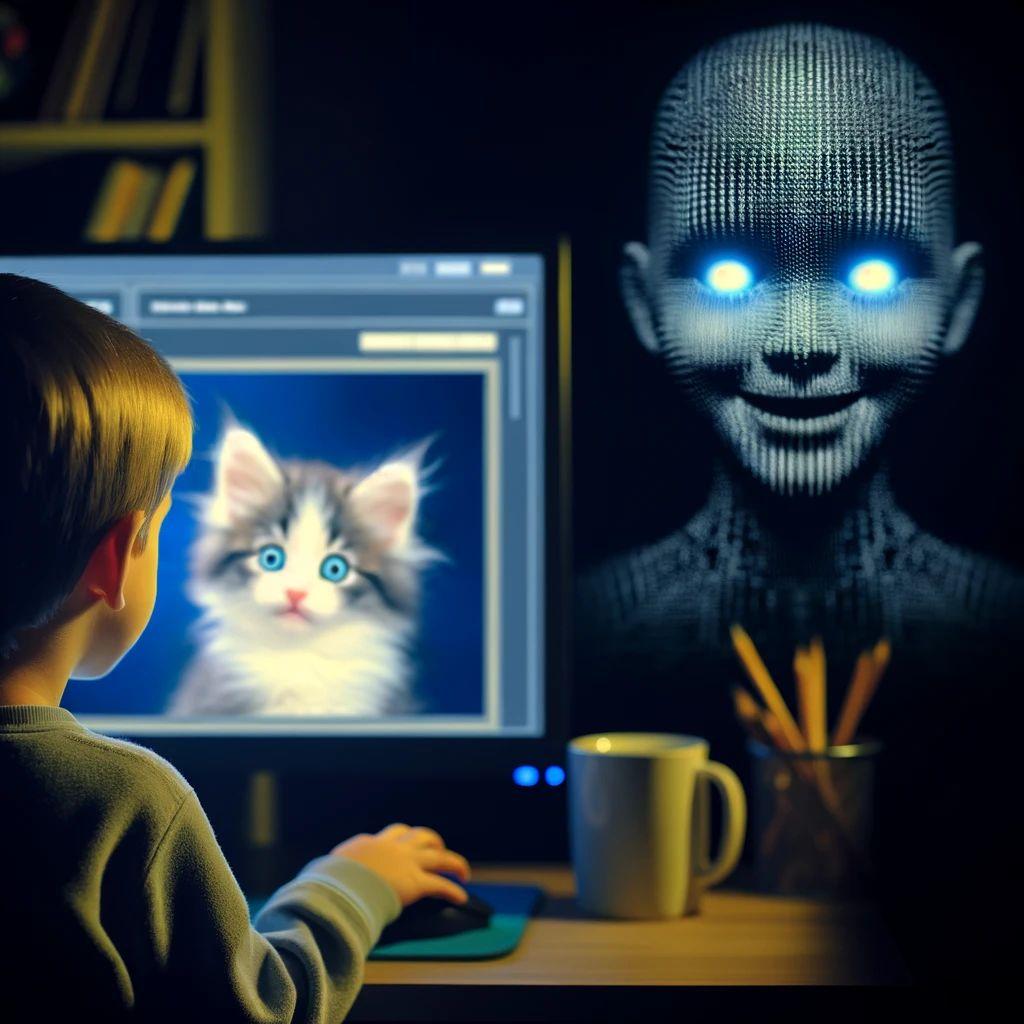
"Humans and machines excel in distinctly different areas. Humans, endowed with intentionality, are skilled at making decisions in complex contexts but less so at processing large amounts of data. Computers, on the other hand, are masters of data processing but struggle with judgments simple for any person. A prime example is Google's 2012 project, where a supercomputer, after analyzing millions of YouTube videos, learned to recognize a cat with 75% accuracy—something a four-year-old can do flawlessly."
These are the words of Peter Thiel, a visionary in computing and the startup world, founder of PayPal, and the first external investor in Facebook, from his 2014 book "Zero to One: Notes on Startups, or How to Build the Future."
It astonishes me how a figure of his caliber and deep experience in technology and innovation underestimated the extraordinary evolution of artificial intelligence. A book subtitled "How to Build the Future," written by a pioneer who, after a decade, seems to have missed a crucial prediction about AI.
I don't believe it's a lack of vision on Thiel's part, but rather that the world wasn't ready to fully embrace and understand the rapid development of artificial intelligence. And today, AI has already achieved considerable capabilities.
What will the next 10 years bring? What are we underestimating? 🤔